
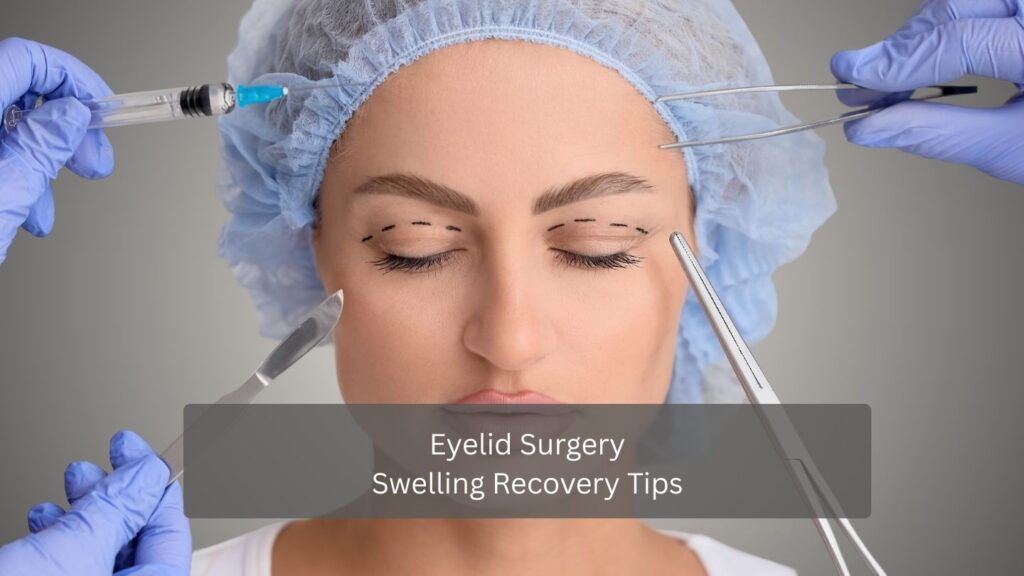
Eyelid Surgery Swelling commonly occurs after eyelid surgery as the body begins the healing process. This swelling may cause temporary puffiness or tightness around the eyes, especially in the first few days of recovery.
The good news is that eyelid swelling is a natural part of the healing process. With proper post operative care, realistic expectations, and guidance from Dr. Jose Rodriguez, most patients experience steady improvement and a smooth recovery over time.
Why Swelling Happens After Eyelid Surgery
Normal healing response after eyelid surgery
After eyelid surgery, your body immediately begins repairing healing tissues at the surgical site. This response increases blood flow to the area and triggers fluid retention, which causes eyelid swelling and visible bruising. This is a normal reaction after any surgical procedure, especially in delicate areas like the eyelids where blood vessels are very small and sensitive.
During the initial recovery phase, swelling and bruising help protect the tissue while tissue repair takes place. Most patients will experience noticeable swelling during the first week, followed by gradual improvement.
Factors that affect swelling severity
Not all patients experience swelling the same way. The amount and duration of swelling depend on several factors, including:
- Individual healing response
- Whether the procedure involved upper eyelid blepharoplasty, lower eyelids, or both
- Presence of excess skin or fat removal
- Blood pressure and circulation
- Skin thickness and sensitive skin
- How closely post operative instructions are followed
In some cases, activities that increase blood flow—such as heavy lifting or vigorous exercise—can exacerbate swelling and delay healing.
How Long Does Swelling Last After Eyelid Surgery
Swelling after eyelid surgery timeline: first days to weeks
Swelling after blepharoplasty typically follows a predictable recovery timeline:
- First week: Increased swelling, bruising, light sensitivity, and blurry vision are common
- Weeks post surgery (2–3): Swelling decreases, bruising fades, and minor swelling may persist
- First few weeks: Residual swelling may remain, especially in the mornings
- Several weeks to months: Final refinement as proper healing continues
Most patients notice significant improvement by the end of the first week, but full healing takes time.
When swelling may last longer than expected
Swelling may last longer for patients who experience increased swelling due to fluid retention, sun exposure, or strenuous activities too soon. Smoking, alcohol consumption, and poor sleep habits can also delay healing and prolong the recovery period.
Best Eyelid Surgery Swelling Recovery Tips
Using cold compresses correctly
Cold compresses are one of the most effective ways to reduce swelling and reduce bruising during the first few days. Applying cold compresses helps limit fluid buildup and soothe healing tissues.
Tips for safe use include:
- Use a soft cloth or clean gauze
- Apply for 10–15 minutes at a time
- Avoid direct ice contact with the skin
- Follow your surgeon’s advice on frequency
Applying cold compresses too aggressively or for too long can irritate the skin.
Keeping your head elevated
Keeping your head elevated helps promote fluid drainage and manage swelling. This position reduces pressure on blood vessels and prevents excessive swelling around the eyes.
- Sleep with extra pillows
- Use a recliner if more comfortable
- Avoid sleeping flat during the first week
Activity restrictions that reduce swelling
Physical strain can increase blood flow and worsen swelling. During eyelid surgery recovery, patients are usually advised to:
- Avoid heavy lifting
- Avoid vigorous exercise
- Limit bending or straining
- Stick to light walking only
These precautions are especially important during the first week and early recovery period.
Medications and supplements to avoid
Certain medications and supplements can increase bleeding or swelling. Your healthcare provider may advise avoiding:
- Aspirin and some pain relievers
- Herbal supplements
- Alcohol consumption
Always follow your surgeon’s advice regarding prescribed medications and pain medication.
What to Expect During the First Week After Surgery
Day-by-day swelling changes
During the first week, swelling tends to peak around days two to three. Patients often experience swelling and bruising, tightness, and mild discomfort rather than severe pain. Prescribed eye drops and ointments help protect the surgical site and support proper healing.
By day five to seven, swelling usually begins to improve, although noticeable swelling may still be present.
Bruising vs swelling: what’s normal
Bruising often appears darker before fading, while swelling fluctuates throughout the day. Morning swelling is common due to fluid retention overnight. Increased redness or excessive swelling should be monitored closely.
How To Reduce Swelling After Eyelid Surgery
Sleep position and rest
Adequate rest is essential for a smooth recovery. Sleeping on your back with your head elevated helps manage swelling and promotes fluid drainage. Avoid sleeping on your side or stomach during the initial recovery phase.
Hydration and low-sodium diet
Staying hydrated supports circulation and tissue repair. Drinking at least eight glasses of water daily helps reduce fluid retention. A healthy diet low in sodium can also help minimize swelling.
Foods rich in vitamins and antioxidants support healing tissues and proper healing overall.
Avoiding smoking and alcohol
Smoking restricts blood vessels and can delay healing, while alcohol increases blood flow and swelling. Avoid both during the recovery process to reduce complications and support long-term healing.
When Swelling May Signal a Problem
Warning signs to watch for
While most swelling is normal, some symptoms may indicate a complication, such as:
- Excessive swelling that worsens after the first week
- Severe pain not relieved by pain medication
- Increased redness or warmth
- Double vision or worsening blurry vision
- Signs of infection or fluid drainage
When to contact your surgeon
If swelling seems unusual or symptoms worsen instead of improving, contact your plastic surgeon or healthcare provider promptly. Early evaluation helps prevent complications and ensures proper post operative care.
Long-Term Healing After Eyelid Surgery
When final results become visible
Final results are not immediate. While swelling improves within weeks, subtle changes continue for months as residual swelling resolves. Most patients see refined, natural-looking results once healing is complete.
How swelling affects final eyelid appearance
Temporary swelling can make eyelids look uneven early on. This does not reflect the final outcome. As swelling decreases, eyelid contours become smoother and more defined.
Eyelid Surgery Swelling vs Other Eye Procedures
Upper vs lower eyelid swelling differences
Upper eyelid blepharoplasty typically causes less swelling than lower eyelid procedures. Lower eyelids are more prone to fluid retention and prolonged swelling due to gravity and thinner skin.
Swelling after blepharoplasty vs non-surgical treatments
Compared to non-surgical treatments, blepharoplasty surgery involves more noticeable swelling but offers longer-lasting results. Non-surgical options may cause minor swelling but usually resolve faster.
Tips to Support a Smooth and Comfortable Recovery
Following post-operative instructions
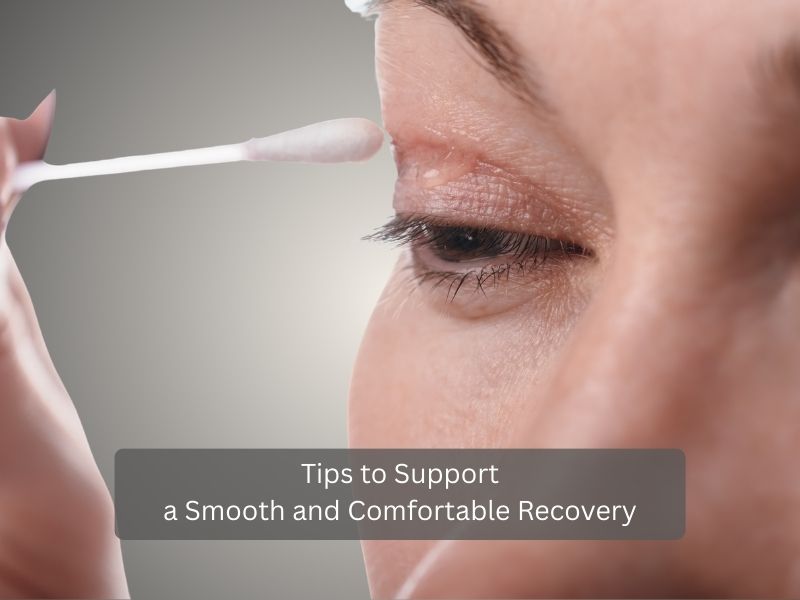
Carefully following post operative instructions is the most important factor in achieving a smooth recovery. This includes using prescribed medications, avoiding sun exposure, wearing dark sunglasses outdoors, and avoiding wearing contact lenses for at least a week.
Some patients may need to avoid contact lenses longer depending on healing.
Why recovery varies from patient to patient
Recovery varies due to age, health, skin quality, and individual healing response. Patients with certain medical conditions or higher blood pressure may experience swelling longer. Realistic expectations help patients feel confident throughout the recovery timeline.
Frequently Asked Questions: Eyelid Surgery Swelling
How long does eyelid surgery swelling usually last?
Most patients experience the most swelling during the first week, with gradual improvement over several weeks. Minor swelling or residual swelling can last longer but continues to improve with proper healing.
Can cold compresses really reduce eyelid swelling?
Yes, cold compresses help reduce swelling and reduce bruising by limiting blood flow and fluid buildup. Applying cold compresses correctly during the first few days is especially effective.
Is swelling after blepharoplasty always the same for everyone?
No. Swelling varies based on individual healing response, the type of eyelid surgery performed, and how closely post operative care instructions are followed.
When can I wear contact lenses after eyelid surgery?
Most patients are advised to avoid wearing contact lenses for at least a week. Your surgeon will guide you based on how well your eyelids are healing.
Should I worry about increased swelling weeks after surgery?
Increased swelling weeks post surgery is uncommon but can occur due to infection, injury, or overexertion. If swelling worsens or is accompanied by pain or redness, contact your healthcare provider.
Ready to Discuss Eyelid Surgery? Contact Us Today
Choosing eyelid surgery is a personal decision that starts with clear information whether it’s regarding costs, or insurance coverage and realistic expectations. At San Diego Plastic Surgery Center, Dr. Jose Rodriguez focuses on patient education, safety, and natural-looking results.
Contact us today to book your consultation and learn if eyelid surgery is right for you.
