
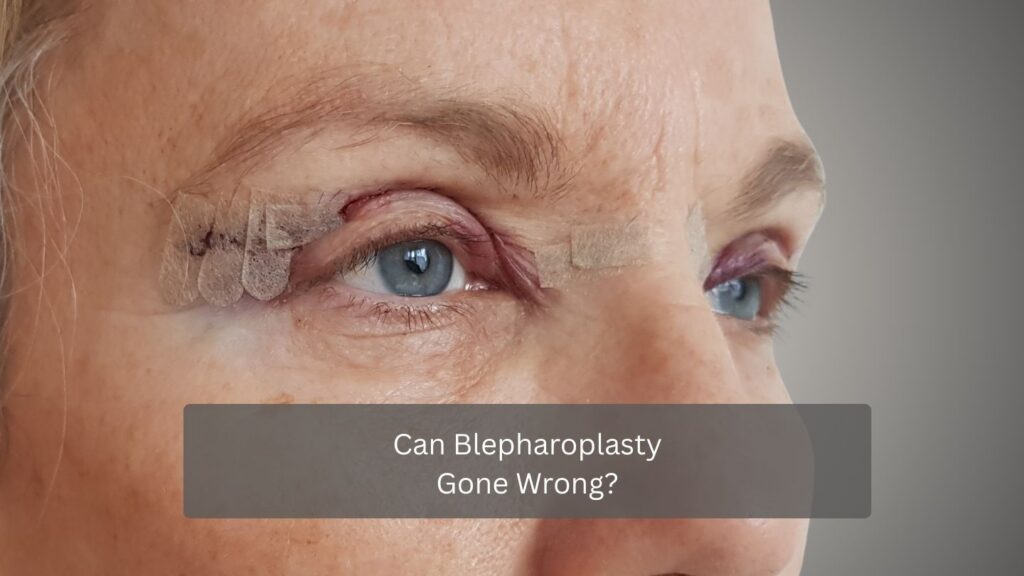
Can Blepharoplasty Gone Wrong? It’s one of the first concerns patients raise before scheduling eyelid surgery. The honest answer is yes, any form of plastic surgery carries risk. Blepharoplasty is a type of cosmetic surgery, and as with any cosmetic surgery, preoperative assessment and clear patient expectations are crucial to achieving desired aesthetic improvements and managing risks. That said, serious problems are uncommon when the procedure is done carefully and for the right reasons.
Most people pursue blepharoplasty surgery to address excess skin, puffiness, or drooping that affects vision or appearance. When everything heals as expected, results can be very natural. Under the care of Dr. Jose Rodriguez, careful planning and precise technique are prioritized to reduce risk and support balanced outcomes. However, if planning, technique, or recovery do not go smoothly, results can look or feel off. Let’s talk through what that actually means.
What is Blepharoplasty Surgery
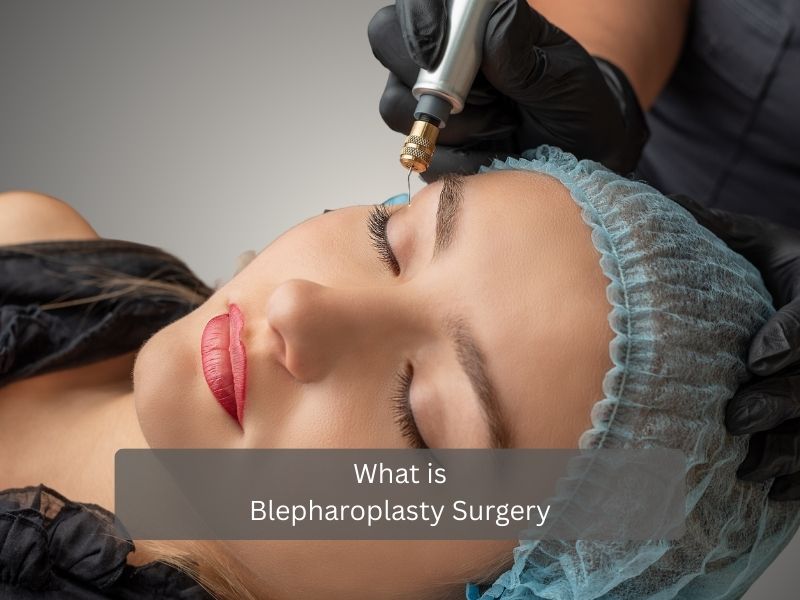
Blepharoplasty surgery is a precise surgical procedure designed to improve the appearance and function of the eyelids. Blepharoplasty is a form of cosmetic surgery, and careful surgical planning is essential to achieve both aesthetic and functional improvements. It can involve the upper eyelid, the lower eyelid, or both.
Over time, eyelid skin stretches. Orbital fat may shift forward, causing bulging or eye bags. In an upper blepharoplasty, surgeons often focus on removing excess skin, reshaping fat, and preserving the natural upper eyelid crease. In lower eyelid blepharoplasty, treatment may involve smoothing lower eyelid skin, repositioning prolapsed fat, or tightening the lower lid.
This is not just cosmetic. Healthy eyelid anatomy, balanced eyelid tissues, and stable eyelid function are critical to comfort and eye health.
Eyelid Surgery Types and Goals
There isn’t just one type of eyelid lift. Each approach has a different goal.
Common options include:
- Upper eyelid surgery for drooping or blocked vision
- Lower eyelid surgery for puffiness and wrinkles
- Combined procedures
- Specialized techniques such as asian blepharoplasty
In upper lid blepharoplasty, the incision usually sits in the natural eyelid crease. The goal is controlled removing excess skin while avoiding too much skin removal. Lower lid work focuses more on smoothing contour and supporting weak tissues.
When done by an experienced surgeon, most patients achieve subtle improvement without functional problems. The balance between aesthetics and safety is key.
Preoperative Assessment for Safe Blepharoplasty
The consultation matters more than many people realize.
Before blepharoplasty surgery, a surgeon evaluates:
- Baseline eye health
- Tear production and dry eye risk
- History of thyroid disease or thyroid eye disease
- Degree of sagging skin or redundant skin
- Muscle tone and lid laxity
For patients with existing dryness or medical conditions affecting the blood supply, surgical plans may need to change. Even small adjustments, like preserving more eyelid skin, can prevent long-term issues.
An experienced plastic surgeon understands how to read these details. Skipping this step increases the risk that complications occur.
What Can Go Wrong With Blepharoplasty?
Yes, can blepharoplasty gone wrong? It can, but context matters.
In most situations labeled as blepharoplasty gone wrong, early swelling or bruising is mistaken for a bad result. However, true blepharoplasty complications involve deeper structural or healing process problems.
Concerns may include:
- Noticeable eyelid asymmetry
- Problems with blinking or eye closure
- Persistent eye irritation
- Over-tightened skin
Sometimes these issues improve within weeks. Other times, they require closer monitoring.
Common Blepharoplasty Complications
Major Complications: Details and Red Flags
Serious complications are uncommon but require immediate attention.
Warning signs include:
- Increasing severe pain rather than gradual improvement
- Sudden vision changes
- Rapid swelling
- Excess bleeding
When these appear shortly after the initial surgery, urgent evaluation is critical to protect the eye and surrounding tissues.
Eyelid Retraction: Causes and Recognition
Eyelid retraction means the lid sits lower or higher than it should.
In the lower lid, lower eyelid retraction or lid retraction can occur after lower eyelid blepharoplasty. This often results from excessive skin removal or untreated lid laxity.
Patients may notice:
- Incomplete eye closure
- Dryness
- Increased light sensitivity
When too much skin is removed, a skin shortage develops. In more advanced cases, skin grafts may be needed during a revision procedure.
Double Vision: Mechanisms and Urgency
Although rare, double vision can happen.
Swelling, muscle irritation near the levator muscle, or deeper tissue trauma can disrupt normal movement. This is not something to monitor at home—it requires immediate assessment.
Other Frequent Problems
Less urgent but still important problems include:
- Excessive bruising
- Uneven incision line healing
- Temporary worsening of dark circles
- Persistent dryness managed with lubricating eye drops
Persistent visible scarring can also develop after blepharoplasty, even though incisions are made in natural folds. Laser treatments can help improve the appearance of these scars.
These often improve gradually over several weeks.
Can Upper Blepharoplasty Go Wrong: Botched Upper Eyelid Surgery
Yes, can upper blepharoplasty go wrong? It can, particularly when tissue removal is aggressive.
A botched upper eyelid surgery often involves:
- Excessive removing excess skin
- Removal of too much fat
- Poor recreation of the upper eyelid crease
This may lead to tightness, hollowing, or visible deformity. The upper lid may look unnatural or fail to close fully.
Correction typically involves revision eyelid surgery or formal revision surgery. Timing is important. Surgeons usually wait several months before performing revision blepharoplasty, allowing tissues to settle.
Botched Lower Eyelid Surgery
The lower lid is even more technically demanding.
A botched eyelid surgery affecting the lower lid can result in:
- Persistent lower eyelid retraction
- A rounded appearance
- Deep hollows from too much fat removal
- Visible facial asymmetry
In these cases, treatment may involve tightening procedures or fat grafting to restore volume.
Why Blepharoplasty Goes Wrong: Surgical Mistakes
Surgical error remains a major factor in true complications.
Risks increase when:
- An inexperienced surgeon performs the procedure
- Key aspects of eyelid anatomy are overlooked
- Excessive tissue is removed without considering support
These are common blepharoplasty mistakes.
Choosing one of the experienced plastic surgeons or an oculoplastic surgeon with focused expertise significantly lowers the risk of a result that feels gone wrong.
Why Blepharoplasty Goes Wrong: Patient Factors
Not every disappointing result stems from surgical technique.
Patients with:
- Pre-existing dryness
- Smoking history
- Delayed wound healing
- Active thyroid eye disease
may experience more complicated recovery.
Some cases reflect unrealistic expectations rather than surgical failure. Minor differences between the two sides, natural facial asymmetry, are normal in most patients.
Asian Blepharoplasty Specific Risks
Asian blepharoplasty focuses on modifying or defining an eyelid crease.
Risks include:
- Uneven crease height
- Loss of natural features
- Tight appearance
When poorly planned, results can look unnatural. Surgeons must adapt technique to individual anatomy rather than applying a standard template.
How to Recognize Early Warning Signs Post-Op
Swelling, bruising, and mild discomfort are expected after blepharoplasty surgery.
However, call your surgeon if you notice:
- Increasing discomfort after initial improvement
- Difficulty blinking
- Vision disturbance
- Growing redness
Patients often worry unnecessarily in the first week. When in doubt, it’s safer to ask.
Immediate Management When Things Go Wrong
Early treatment may prevent long-term damage.
Initial management may include:
- Frequent lubricating eye drops
- Cold compresses
- Medication adjustment
In urgent cases, additional surgery may be required quickly to relieve pressure and protect the eye.
Fixing a Botched Eyelid Surgery
Correcting a botched eyelid surgery is complex.
A formal revision blepharoplasty may involve:
- Releasing scar tissue
- Rebalancing the lid
- Performing fat grafting
- Using skin grafts to address skin shortage
An experienced oculoplastic surgeon is often recommended for revision cases. Recovery from a revision procedure can take longer than the original operation.
Prevention: How to Avoid Blepharoplasty Mistakes
Prevention starts before the first incision.
To reduce the risk of blepharoplasty complications:
- Choose the right surgeon with extensive eyelid experience
- Confirm board certification in plastic surgery
- Review surgical results in patients with similar anatomy
- Ask detailed questions about risk
An experienced surgeon will discuss both cosmetic and functional goals.
Pre- and Post-Operative Care To Reduce Risk

Preparation improves safety.
Before surgery:
- Stop smoking
- Stabilize medical conditions
- Avoid certain medications
After surgery:
- Follow medication instructions
- Sleep with head elevated
- Avoid heavy lifting
- Keep follow-up appointments
With careful planning, most patients recover well and are satisfied with their results.
Frequently Asked Questions
Can blepharoplasty gone wrong be corrected?
In many cases, yes. Blepharoplasty gone wrong results—such as eyelid retraction or uneven contour—can often be improved with revision blepharoplasty, though timing and technique depend on tissue healing.
What causes botched upper eyelid surgery?
A botched upper eyelid surgery usually involves aggressive removing excess skin, taking out too much fat, or poor handling of the upper eyelid crease. Surgeon inexperience is a common factor.
Is double vision normal after eyelid surgery?
Temporary visual changes can occur with swelling, but persistent double vision is not normal and requires prompt evaluation to protect eye health.
How long does bruising last after blepharoplasty surgery?
Most excessive bruising improves within two to three weeks. Subtle swelling may take several months as eyelid tissues settle.
How do I lower my risk of blepharoplasty complications?
Choosing an experienced plastic surgeon or oculoplastic surgeon, carefully reviewing your medical history, including thyroid disease, and following all post-operative instructions significantly reduce the chance of complications.
Book Your Blepharoplasty (Eyelid Surgery) Evaluation
If heavy upper lids, under-eye bags, or vision obstruction are affecting your daily life, a consultation for blepharoplasty (eyelid surgery) can help you understand your options. At San Diego Plastic Surgery Center – Dr. Jose Rodriguez, we perform a careful assessment of eyelid structure, skin quality, and overall eye health before recommending surgery.
Whether you are considering cosmetic improvement or functional correction, contact us today to schedule your personalized evaluation.
