
Eyelid surgery for medical reasons is often discussed once vision, eye comfort, or daily tasks start to feel harder than they should. Many patients first notice heavy or droopy eyelids, especially toward the end of the day. Over time, this can turn into a real functional issue rather than a cosmetic concern.
When eyelid surgery for medical reasons is recommended, the goal is not just to refresh appearance. It is to protect eye health, improve the field of vision, and restore normal eyelid function so everyday activities feel easier and safer. Dr. Jose Rodriguez takes a careful, patient-focused approach to evaluating these concerns and determining whether surgery is medically appropriate.
What Is Eyelid Surgery for Medical Reasons?
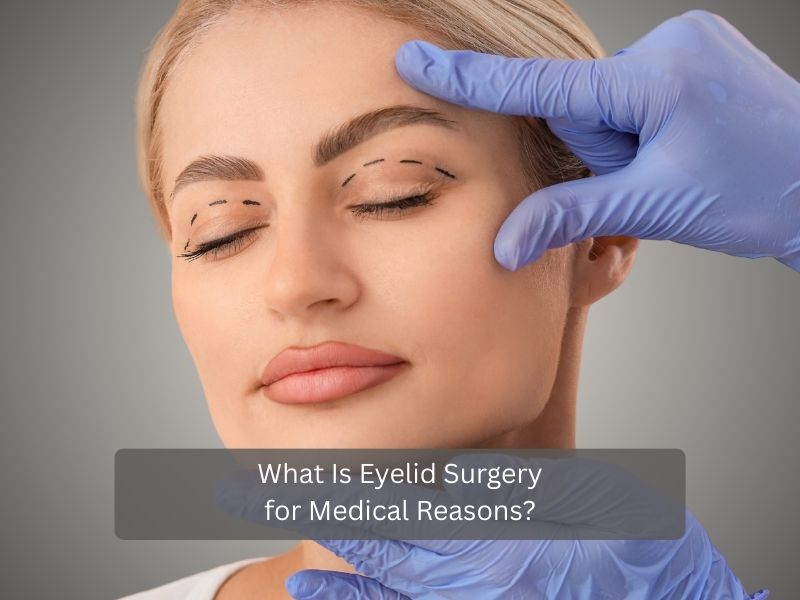
Eyelid surgery performed for medical reasons focuses on correcting eyelid problems that interfere with vision or eye comfort. While the procedure may look similar to cosmetic eyelid surgery, the intent is different. This is considered reconstructive surgery, not an elective aesthetic change.
Depending on the problem, surgery may involve the upper and lower eyelids. For some patients, the main issue is excess skin or excess eyelid skin weighing down the lids. For others, the surgeon may need to address muscle weakness, eyelid position, or excess fat that affects how the eyelids function.
Difference Between Medical and Cosmetic Eyelid Surgery
The difference usually comes down to why the surgery is being done. A cosmetic eyelid lift aims to improve appearance, soften wrinkles, or reduce dark circles. Medical eyelid surgery is performed when eyelid changes interfere with vision or eye health.
For example, upper eyelid surgery becomes medically necessary when droopy upper eyelids block the visual field or reduce peripheral vision. In these cases, eyelid surgery covered by insurance may be possible. If the same procedure is done only for cosmetic improvement, insurance generally does not apply, even if the results look similar.
Why Eyelid Problems Can Become a Medical Issue
The eyelids play a bigger role than many people realize. They protect the eyes, help spread tears, and support clear vision. When sagging skin, loose skin, or muscle weakness changes how the eyelids sit, eye function can suffer.
Patients may notice blurred vision, double vision, dryness, or ongoing irritated eyes. In some cases, difficulty closing the eyes affects tear production, leading to discomfort or frequent use of drops. These issues can be especially noticeable for patients who wear contact lenses, as the eyes may feel dry or irritated more often.
Signs You May Need Eyelid Surgery for Medical Reasons
Drooping Eyelids That Block Vision
One of the clearest signs is drooping eyelids that reduce the field of vision. Patients often mention trouble reading, driving, or seeing objects in their outer parts of vision. This typically involves the upper eyelid and tends to progress gradually, sometimes without patients realizing how much vision they have lost.
Eye Strain, Headaches, or Brow Fatigue
When eyelids feel heavy, many people unconsciously raise their eyebrows to see better. Over time, this strains the eye muscles and forehead. Headaches, tension, and brow fatigue are common. In some cases, a brow lift may be discussed if sagging eyebrows are contributing to the problem.
Skin Irritation or Infections Caused by Excess Eyelid Skin
Excess eyelid skin can fold and trap moisture. Because the delicate eyelid skin is thin, irritation can develop quickly. Some patients deal with redness, discomfort, or repeated infections that interfere with daily routines and eye hygiene.
Medical Reasons for Eyelid Surgery
Ptosis (Eyelid Muscle Weakness)
Ptosis occurs when the muscle responsible for lifting the eyelid becomes weak. This can affect one or both eyes and is not always related to age. Upper eyelid surgery for ptosis focuses on strengthening or repositioning the muscle to correct droopy eyelids and restore a more natural eyelid position.
Dermatochalasis (Excess Upper Eyelid Skin)
Dermatochalasis refers to excess skin on the upper eyelid caused by aging and loss of elasticity. As skin loosens, it may hang over the lashes and interfere with vision. Surgery removes excess skin to clear the visual field while preserving natural eyelid movement.
Ectropion and Entropion (Eyelid Position Problems)
These conditions affect the lower eyelid. Ectropion causes the lid to pull outward, while entropion turns it inward. Both can irritate the eye surface and lead to dryness or injury. Surgery repositions the eyelid to protect the eye and improve comfort.
Is Eyelid Surgery Covered by Insurance for Medical Reasons?
Whether insurance coverage applies depends on medical necessity. Insurers usually require proof that eyelid changes affect vision or eye health. This often includes visual testing, clinical notes, and photos taken by an eye specialist or oculoplastic surgeon.
However, coverage changes when surgery is done primarily to improve appearance. Even if functional improvement occurs, insurance approval is based on documented vision impairment, not cosmetic benefit.
What to Expect From Eyelid Surgery for Medical Reasons
Most medical eyelid procedures are outpatient surgery and are generally performed under local anesthesia, sometimes with light sedation unless you are doing two procedures at once, then you are put to sleep. The surgeon makes small, carefully placed incisions along natural creases to limit visible scarring.
During the blepharoplasty procedure, the surgeon may remove excess fat, trim possibly fat deposits, and adjust muscle or skin. After surgery, lubricating ointment applied to the eyes helps protect them as healing begins. Swelling and bruising are common during the first one to two weeks. Patients are usually advised to avoid heavy lifting, limit sun exposure, pause herbal supplements, and use cold compresses to reduce swelling.
Benefits of Eyelid Surgery Beyond Appearance
While patients often notice a fresher or more youthful look, the main benefit is functional. Clearer vision, improved peripheral vision, and less eye strain can make daily activities easier.
For some, surgery also reduces dryness and irritation, lowering the need for frequent eye drops or lubricating ointment. Patients who wear contact lenses often find them more comfortable after healing.
When to Talk to a Specialist About Eyelid Surgery
If eyelid changes are affecting vision, comfort, or daily life, it may be time to speak with a plastic and reconstructive or facial plastic specialist. A trained reconstructive surgeon or team of plastic surgeons can determine whether eyelid surgery for medical reasons is appropriate.
Patients with certain medical conditions, such as thyroid problems, prior eye surgery, or nerve issues, may need additional evaluation. A careful exam helps decide whether surgery, monitoring, or another approach is best.
FAQs: Eyelid Surgery For Medical Reasons
Is eyelid surgery for medical reasons the same as cosmetic eyelid surgery?
No. Eyelid surgery for medical reasons is done to improve vision or eye health. Cosmetic surgery focuses on appearance. Insurance decisions are based on documented functional problems, not how the eyelids look.
How do doctors determine if eyelid surgery is medically necessary?
Doctors assess the visual field, eyelid position, and symptoms like blurred vision or irritation. Testing and photos help show how eyelid position affects daily vision.
Can eyelid surgery improve peripheral vision?
Yes. By removing excess eyelid skin or repositioning drooping eyelids, surgery often restores lost peripheral vision, which can improve safety when driving or walking.
What risks are associated with medical eyelid surgery?
Risks are uncommon but can include infection, swelling, or rarely blood clots. Following aftercare instructions and choosing an experienced surgeon helps reduce these risks.
How long does recovery usually take?
Most swelling improves within a few weeks, but full healing may take several months. Recovery varies depending on age, skin quality, and whether both upper and lower eyelids were treated.
Book a Consultation for Eyelid Surgery
When eyelid issues start interfering with vision, eye comfort, or daily activities, waiting can make symptoms worse. Eyelid surgery at San Diego Plastic Surgery Center with Dr. Jose Rodriguez focuses on restoring proper eyelid function while maintaining a natural appearance. A one-on-one consultation helps determine candidacy, recovery timelines, and next steps.
Book your eyelid surgery consultation today to get clear, personalized guidance.
