
Post Op Eyelid Surgery is a critical part of achieving safe healing and beautiful, natural-looking results after eyelid surgery. After the procedure, most patients experience swelling, bruising, and temporary discomfort around the eyes. Understanding what is normal during recovery helps reduce anxiety and allows patients to actively support the healing process.
Eyelid surgery, also known as blepharoplasty, is designed to remove excess skin and excess fat from the eyelids. Proper post-operative care protects vision, minimizes swelling, and allows the eyelids to heal correctly.
Introduction to Eyelid Surgery
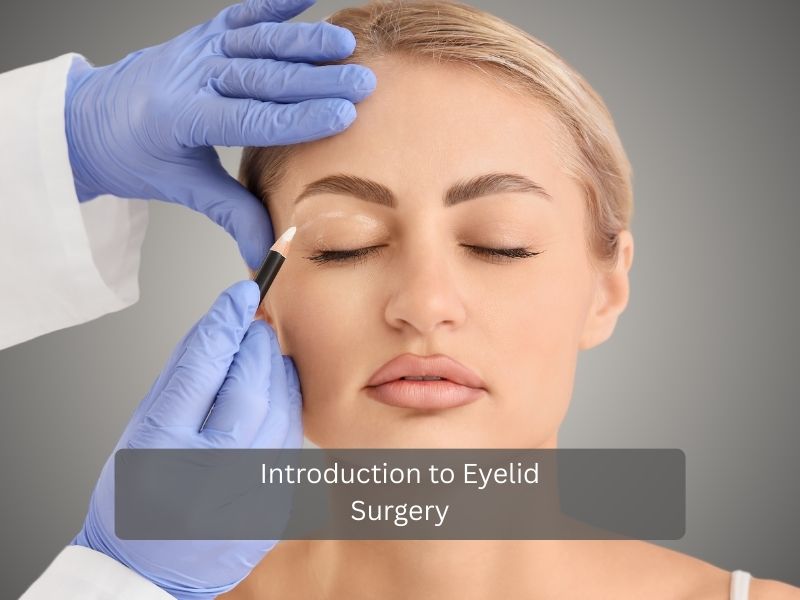
Eyelid surgery is a cosmetic procedure that improves the appearance of the eyes by addressing loose skin, puffiness, and fat deposits that develop with age. In some cases, removing excess skin from the upper eyelids can also improve vision if sagging skin blocks the visual field.
The goal of eyelid surgery is to refresh the appearance of the eyes while maintaining a natural look. By removing excess skin and excess fat, the eyes often appear more open, alert, and youthful.
Upper blepharoplasty focuses on the upper eyelids, while surgery on the lower eyelids targets under-eye bags and fullness. Many patients choose to treat one area, while others combine both procedures for balanced results. Following post operative instructions closely is essential, as swelling, bruising, and discomfort around the eyes are expected during early recovery.
Preparing for the Healing Process
Preparation before surgery plays an important role in eyelid surgery recovery. Your surgeon or doctor will provide detailed instructions to help prepare your body for healing. Patients are usually asked to stop taking certain medications such as aspirin or ibuprofen, as these can increase bleeding during and after surgery.
Keeping the head elevated is one of the most important steps in minimizing swelling. This includes sleeping with extra pillows and resting with the head positioned above the chest. Planning time away from work and daily responsibilities allows the body to focus on healing.
Patients are also advised not to wear contact lenses for a period of time, typically between one week and two weeks, depending on healing progress. Wearing dark sunglasses after surgery helps protect sensitive eyes from direct sunlight and reduces discomfort outdoors. Having cold compresses, cool compresses, or ice packs ready at home makes it easier to manage swelling during the first week.
Immediate Eyelid Surgery Post Op Care
Immediately after eyelid surgery, patients often notice swelling and bruising, mild discomfort, and blurry vision. These symptoms are a normal part of the healing process and usually improve within the first several days.
Your surgeon may prescribe pain medication, prescribed eye drops, or an eye ointment to reduce discomfort and dryness. Keeping the incision sites moist with lubricating ointment or artificial tears helps protect the eyes and promotes healing. Temporary blurred vision may occur due to swelling or the ointment used around the eyes.
Patients should avoid touching the surgical site, rubbing the eyelids, or applying pressure around the eyes. These actions can interfere with healing or increase the risk of bleeding or infection. Carefully following all post operative instructions during this stage supports a smoother recovery.
Managing Discomfort and Pain
Some pain, tightness, or pressure around the eyes is common after eyelid surgery, especially during the first week. Most patients describe the discomfort as mild and manageable with prescribed pain medication or approved alternatives.
Applying cool compresses or ice packs during the first few days helps reduce swelling and ease discomfort. Rest is essential, and patients should continue to keep their head elevated while sleeping. Activities that can increase bleeding, such as heavy lifting, strenuous exercise, or bending forward, should be avoided.
It is also important to monitor for nausea, which may occur temporarily due to anesthesia or medications. Staying hydrated and resting usually helps these symptoms pass quickly.
Post Operative Instructions
Strictly following post operative instructions is key to proper healing after eyelid surgery. Your surgeon may recommend regular use of eye drops or ointment, continued use of dark sunglasses, and limiting sun exposure during early recovery.
Keeping the incision sites clean and dry helps prevent infection and supports proper healing. Patients should avoid applying makeup, hair products, or skincare products near the eyes until cleared by their doctor. Follow-up appointments allow the surgeon to monitor the healing process, remove sutures, and assess incision lines.
Patients should contact their surgeon if they experience excessive bleeding, increasing redness, worsening pain, or changes in vision. Early evaluation helps prevent complications.
Upper Blepharoplasty Considerations
Upper blepharoplasty focuses on removing excess skin and fat from the upper eyelids. This procedure can improve vision and restore a more youthful appearance to the eyes.
After surgery, patients may experience swelling, bruising, dryness, or irritation around the eyes. Using artificial tears, eye ointment, and cold compresses helps manage symptoms. Temporary dry eyes or blurred vision may occur and typically improve as healing progresses.
Lower Eyelid Surgery Recovery
Surgery on the lower eyelids addresses puffiness and under-eye bags caused by excess fat. Recovery may involve more noticeable bruising and swelling beneath the eyes.
Protecting the area from direct sunlight, avoiding rubbing, and wearing dark sunglasses help reduce irritation and support scar healing. Swelling gradually improves over several weeks.
Healing Timeline and Final Results
During the first week, swelling and bruising are usually most visible. Many patients experience tightness, mild pain, and temporary changes in vision. By one week, bruising often begins to fade, and swelling slowly improves.
By two weeks, many patients feel comfortable returning to work, resuming light activities, and applying makeup if approved by their surgeon. The full healing process continues over several months, with final results becoming more noticeable as swelling resolves and scars soften.
Resuming Normal Activities
Most patients can return to normal daily routines within one to two weeks, depending on the extent of the procedure. Strenuous exercise, bending, and heavy lifting should still be avoided until cleared by the surgeon.
Patients can usually resume hair care routines, wear sunglasses outdoors, and gradually return to social activities. Always follow your doctor’s guidance when increasing activity levels.
Scars and Long-Term Appearance
Scars from eyelid surgery are typically minimal and well-hidden within natural eyelid creases. Over time, redness fades, incision lines soften, and the skin continues to heal. Protecting scars from sun exposure helps maintain the best cosmetic outcome.
When to Contact Your Surgeon
Patients should contact their surgeon immediately if they experience severe pain, ongoing bleeding, sudden vision changes, or signs of infection. Prompt care supports safe healing and optimal results.
FAQs: Post Op Eyelid Surgery
How long does post op eyelid surgery swelling last?
Most swelling improves within the first two weeks, though mild swelling can persist longer. Keeping the head elevated and using cold compresses helps minimize swelling.
Can I wear contact lenses after eyelid surgery?
Patients are usually advised to avoid contact lenses for one to two weeks. Your surgeon will confirm when it is safe to wear contact lenses again.
Is blurry vision normal during recovery?
Yes, blurry or blurred vision is common early in the healing process. It is often caused by swelling, dryness, or eye ointment and usually improves quickly.
When can I apply makeup after eyelid surgery?
Many patients can apply makeup around two weeks after surgery, once incisions have healed. Always wait for your surgeon’s approval.
What helps reduce swelling after eyelid surgery?
Using ice packs, avoiding bending, limiting sun exposure, and following post operative instructions all help reduce swelling and support healing.
Schedule Your Eyelid Surgery Consultation
If you are considering eyelid surgery, the first step is scheduling a personalized consultation. At San Diego Plastic Surgery Center – Dr. Rodriguez, we take the time to evaluate your eyelids, discuss your concerns, and create a treatment plan tailored to your goals.
During your visit, you’ll learn what to expect before and after eyelid surgery and receive clear guidance on recovery and results. Scheduling a consultation helps ensure safe care and natural-looking outcomes.
