

If you’ve been looking into how face lift works, you’ve probably realized it’s not just about pulling the skin tighter. A face lift is a surgical procedure that focuses on improving visible signs of aging by working beneath the surface, not just on what you see in the mirror. That’s why many patients turn to facelift specialist Dr. Jose Rodriguez for results that feel natural and aligned with their features.
As time goes on, the facial skin starts to lose firmness, the underlying tissues begin to shift, and loose skin becomes more noticeable around the face and neck. A well-done facelift surgery addresses these deeper changes, repositioning what has moved and removing what’s no longer needed, so your features look more refreshed and naturally youthful, not overdone.
Face Lift: How It Works?

A facelift procedure, often referred to as face lift surgery, is a type of facial plastic surgery that helps reduce sagging skin, remove excess skin, and reposition the facial tissue and facial muscles. It’s not just about appearance, it’s about correcting structural changes caused by the aging process.
Instead of only tightening the surface, a surgical facelift works deeper, adjusting the deeper tissues and the superficial musculoaponeurotic system to restore natural facial contours and balance.
What Areas of the Face Are Treated
Most face lift procedures focus on the lower portion of the face, though many patients also include a neck lift or neck surgery for a more complete result.
Common areas treated include:
- Midface where facial sagging begins to show
- Jawline affected by extra skin and loss of definition
- Loose neck skin and the aging neck, including a double chin
- Lower face where deep wrinkles and sagging skin are more noticeable
In some cases, procedures like a brow lift or eyelid surgery are added to address the upper face and create a more balanced outcome.
How Face Lift Surgery Works Step by Step
Initial Consultation and Treatment Planning
Every process starts with a detailed facelift consultation. Your plastic surgeon will look at your facial anatomy, bone structure, and current skin quality, while also reviewing your medical history.
From there, a tailored treatment plan is created. Some patients only need a mini facelift, while others may benefit from combining procedures like a neck lift or facial implants depending on how advanced the facial aging is.
Anesthesia and Preparation
Before the surgical procedure, anesthesia is used so you remain comfortable. For smaller procedures, sedation may be enough. For more extensive face lift surgery, general anesthesia is typically recommended.
Incision Placement and Techniques
Incisions are placed carefully around the ears and sometimes into the lower scalp. The goal is always the same: reduce visible scarring while still allowing full access to the deeper layers.
Different approaches, such as a limited incision facelift or traditional facelift, depend on how much correction is needed.
Lifting and Repositioning Facial Tissues
This is the core of how face lift works. The surgeon lifts and repositions the facial tissue, including the underlying muscle and deep facial tissues, rather than just pulling the skin.
By working on the deeper tissues, the results follow your natural facial structure and preserve natural contours, instead of looking tight or overdone.
Removing Excess Skin
Once everything underneath is repositioned, the surgeon will remove excess skin and smooth the remaining facial skin. This is what helps reduce sagging skin and improve overall skin tone.
Closing Incisions and Recovery Setup
The skin is gently placed back without tension and closed with sutures. Care is taken to protect skin sensation and avoid complications like facial nerve injury, setting the foundation for a smoother recovery.
What Happens Beneath the Skin During a Face Lift
Role of the SMAS Layer in Face Lift Surgery
The superficial musculoaponeurotic system plays a central role in facial plastic procedures. It connects the skin to the facial muscles and supports how your face moves and holds shape.
By adjusting this layer, surgeons can reposition the underlying tissues in a way that looks more natural and lasts longer.
Tightening Muscles vs Removing Skin
A common misunderstanding is that a face lift only removes excess skin. In reality, focusing only on the surface often leads to unnatural results.
The real change comes from repositioning the facial muscles and deeper layers, not just tightening what’s visible.
How Fat Is Repositioned for Natural Results
As part of the procedure, fat can be shifted or redistributed. This helps restore volume in areas affected by facial aging, improving facial contours and avoiding a hollow look.
Different Types of Face Lift Techniques Explained
Traditional Face Lift
A traditional facelift is designed for more advanced signs of aging, including loose skin, deep wrinkles, and loose neck skin. It offers a more comprehensive correction.
Mini Face Lift
A mini facelift, sometimes called a mini lift, is less invasive and targets early facial sagging. It’s often a good option for patients noticing premature aging.
Deep Plane Face Lift
A deep plane facelift goes further into the deep facial tissues, releasing ligaments and repositioning the deeper layers more freely. This can lead to longer-lasting and more natural results.
SMAS Face Lift
This approach focuses on tightening the SMAS layer without going as deep as the deep plane facelift, offering a balance between recovery time and effectiveness.
Who Is a Good Candidate for a Face Lift
Age and Skin Elasticity Factors
There isn’t a perfect age for a face lift. What matters more is the level of skin elasticity and how much loose skin is present.
Patients with better skin quality tend to see smoother, more predictable outcomes.
Common Signs of Facial Aging
You may start considering this cosmetic surgery if you notice:
- Increasing facial sagging
- Loose neck skin or visible double chin
- Deep folds and deep wrinkles
- Loss of definition in the facial contours
Health Requirements for Surgery
Good overall health is important. Your medical history helps determine whether you’re a suitable candidate for this type of plastic surgery.
Face Lift Recovery Process and Healing Timeline
What to Expect Immediately After Surgery
Right after face lift surgery, it’s normal to see swelling and bruising. The face and neck may feel tight, and bandages are used to support the healing process.
First Week of Recovery
During the first week, most patients notice gradual improvement day by day. Swelling begins to settle, though it doesn’t disappear completely yet.
Some patients feel comfortable going out after 7–10 days, while others prefer to wait a bit longer depending on how visible the swelling is.
When Results Become Visible
Early facelift results are noticeable within a few weeks. That said, the final result takes time. As the skin begins to settle and the deeper tissues heal, the outcome becomes more refined over several months.
4 Important Tips for a Smooth Recovery
Small habits make a difference during recovery:
- Keep your head elevated when resting
- Avoid intense physical activity
- Follow instructions to keep your skin healthy
- Attend all follow-up visits
How Long Face Lift Results Last
Longevity of Results
A face lift doesn’t stop the aging process, but it resets it. Most patients enjoy results that last for years.
Factors That Affect Duration
Results vary depending on:
- Your natural skin elasticity
- Lifestyle choices
- Genetics
- The quality of the original facelift procedure
Maintaining Results Over Time
To maintain a more youthful appearance, some patients combine skincare with treatments like dermal fillers over time.
Cost of a Face Lift and What Influences Pricing
Surgeon Experience and Location
The cost of facelift surgery often reflects the experience of the plastic surgeon and the location of the practice.
Facility and Anesthesia Fees
Costs also include anesthesia and facility fees, which vary depending on the extent of the face lift surgery.
Complexity of the Procedure
More advanced approaches, such as a deep plane facelift or combined neck lift, tend to increase the total cost. In most cases, insurance cover facelift surgery does not apply unless it is part of reconstructive surgery.
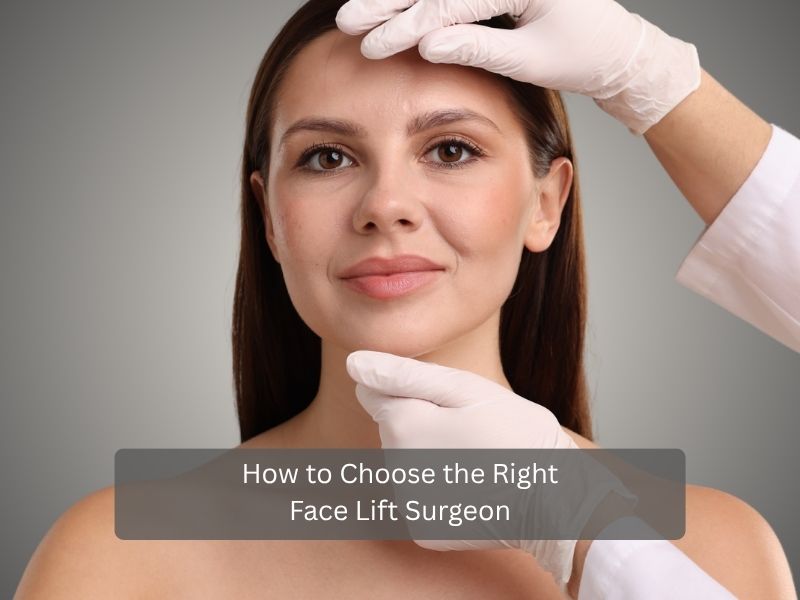
How to Choose the Right Face Lift Surgeon
Board Certification and Experience
Choosing a board-certified plastic surgeon with experience in facial plastic surgery is essential for safe and natural-looking results.
Before and After Results
Reviewing before-and-after photos helps you understand what can realistically be achieved based on your own facial anatomy. At San Diego Plastic Surgery Center, Dr. Jose Rodriguez provides a detailed facelift gallery with real patient results, allowing you to see how outcomes vary depending on facial structure, skin quality, and surgical approach.
Questions to Ask During Consultation
During your facelift consultation, it’s helpful to ask:
- Which surgical technique is recommended
- What recovery will look like
- What kind of results you can expect
FAQ
How does a face lift improve sagging skin?
A face lift works by lifting the underlying tissues and removing excess skin, not just tightening the surface. This approach helps reduce sagging skin and creates smoother, firmer facial skin that looks more natural over time.
What is the difference between a mini facelift and a traditional facelift?
A mini facelift is designed for early facial sagging and uses smaller incisions, while a traditional facelift treats more advanced signs of aging, including loose neck skin and deeper structural changes.
Are facelift results permanent?
Facelift results can last many years, but they are not permanent. The natural aging process continues, although patients usually maintain a more refreshed appearance compared to before surgery.
Is a facelift better than non-surgical treatments?
A nonsurgical facelift can improve mild concerns, but it does not reposition deep facial tissues. For more advanced facial aging, a surgical facelift typically delivers stronger and longer-lasting results.
What procedures are often combined with a face lift?
Many patients combine a face lift with procedures like a neck lift, eyelid surgery, or brow lift to improve overall facial rejuvenation and enhance balance across the face and neck.
Take the First Step Toward a Facelift Today
Considering a facelift is often the moment when you want clear, honest answers about what’s possible. At San Diego Plastic Surgery Center, your consultation is designed to walk you through your options based on your facial structure, skin quality, and how your features have changed over time.
During this visit, you’ll review potential approaches, expected recovery, and the type of results you can realistically achieve. Whether you’re early in the process or ready to move forward, this step helps you make a confident, informed decision.
Book your consultation today and take the next step toward a more refreshed appearance.
